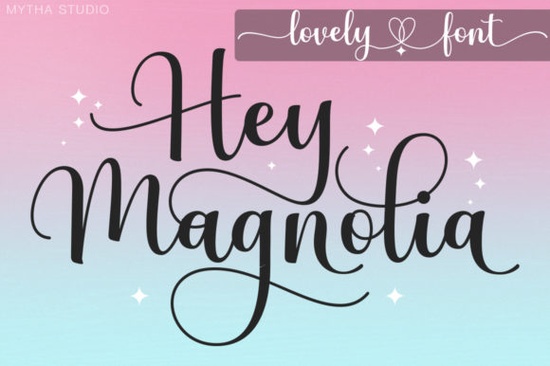
- Using only the allowed HTML tags Let me draft this: The category placeholder {category} - I'll handle this as "script fonts" or "handwritten fonts" contextually since the product is a script/handwritten font. Let me write it out now. For the font name links, the format is: Hey Magnolia And for internal links, I'll use natural anchor text like "a romantic floral script" linking to the hey-magnolia page, etc. Let me draft: --- If you've been searching for a handwritten font that feels both elegant and personal, the Hey Magnolia font is worth a closer look. It's a carefully crafted script font designed to give your projects a warm, hand-lettered feel perfect for invitations, branding, logos, and print-on-demand designs. What makes this font stand out? Let's break it down.
What Is the Hey Magnolia Font?
Hey Magnolia is a handwritten script font with a flowing, natural style. The letterforms have a graceful quality that mimics real hand lettering, making it ideal for projects where you want a personal, artisan touch. It's PUA encoded, which means every glyph, swash, and alternate character is fully accessible even in basic design software. You won't need a professional design program to use the full character set.Who Is This Font For?
This font works well for a wide range of creatives:- Wedding stationery designers who need elegant, readable script for invitations and save-the-dates
- Print-on-demand sellers looking for unique typography for mugs, t-shirts, and tote bags
- Small business owners creating logos, packaging, or social media graphics
- Cricut and Silhouette crafters who want fonts that cut cleanly and look polished
- Bloggers and content creators who want a distinctive font for headers and quotes
How Does Hey Magnolia Compare to Other Script Fonts?
Creative Fabrica offers a solid collection of script fonts, and choosing the right one depends on the mood you're going for. If you like the floral, romantic feel of Hey Magnolia, you might also enjoy a sweet and organic script like Flower Honey. It has a similar warmth but with a slightly bolder weight. For something with a more classic handwritten look, Honeymoon Handwriting offers a softer, more relaxed style great for quotes and journaling projects. Looking for a font that pairs well with others? Better Together is designed specifically to complement other typefaces, making it a useful addition to your font collection. And if you're working on tropical or summer-themed designs, Coconut Bay brings a breezy, laid-back vibe that fits beach-inspired projects perfectly. Compared to these options, Hey Magnolia sits in a sweet spot it's elegant enough for formal designs but casual enough for everyday projects.What Can You Create With This Font?
Here are some practical ways designers and crafters are using Hey Magnolia:- Wedding invitations and envelopes the flowing script looks beautiful at larger sizes
- Branding and logo design works well for boutique shops, florists, and lifestyle brands
- Print-on-demand products great for quotes on mugs, pillows, and wall art
- Social media graphics adds personality to Instagram posts and Pinterest pins
- Greeting cards and stationery the handwritten feel makes cards feel more personal
- SVG files for Cricut projects cuts cleanly for vinyl, paper, and iron-on projects
Why Does PUA Encoding Matter?
If you've ever downloaded a font only to find that special characters and swashes are missing or inaccessible, you know how frustrating that can be. PUA encoding (Private Use Areas) ensures that every single character in the font including decorative alternates and ligatures is available to you. This is especially helpful if you're using software like Cricut Design Space, Silhouette Studio, or even basic programs that don't support OpenType features. With Hey Magnolia being PUA encoded, you get the full character set without any extra steps.Quick Checklist Before You Buy
- ✅ Check that the font fits your project style try previewing it with your own text
- ✅ Confirm the license covers your intended use (personal, commercial, print-on-demand)
- ✅ Make sure your software supports PUA-encoded fonts (most do)
- ✅ Consider pairing Hey Magnolia with a clean sans-serif font for readability
- ✅ If you use Cricut, explore the Introduction to Cricut Design Space class for helpful tips
How Does Hey Magnolia Compare to Other Script Fonts?
Creative Fabrica has a strong collection of script fonts. Here's how some popular ones compare: If you like the floral, romantic feel, Flower Honey is another beautiful option. You can explore this sweet script font to see if it fits your project. For a softer, more relaxed handwritten style, Honeymoon Handwriting works beautifully for quotes and journaling. Take a look at this relaxed handwriting style if that's more your vibe. Better Together is designed to pair with other typefaces. If you need a font that complements your existing collection, it's a solid pick. And for tropical or summer-themed designs, Coconut Bay brings a breezy, laid-back feel. Check out this beach-inspired script for your next project. That's too many links and feels forced. Let me find a better balance. Maybe I should just use the external links for the font names in the comparison section and skip adding internal links for those same fonts. Then I can use the internal links in a different context, like a "related fonts" mention at the end or in a list. Actually, let me reconsider. Maybe I should: - Use internal links with descriptive anchor text in the comparison paragraphs - Use external search links in a separate section or as a subtle mention Or maybe I should just have the comparison section use internal links and have a "browse more fonts" type section at the end with the external links. But the instruction says to link font names once each. OK, I think the cleanest approach is: In the comparison section, use the external search links for the font names as the primary mention. Then use the internal links for those same fonts elsewhere in the article (different sections or different mentions). Let me try:How Does Hey Magnolia Compare to Other Script Fonts?
If you like the floral, romantic feel of Hey Magnolia, you might also enjoy Flower Honey. It has a similar warmth with a slightly bolder weight. For a softer handwritten look, Honeymoon Handwriting offers a more relaxed style great for quotes and journaling. Need a font designed to pair with others? Better Together is made to complement different typefaces, making it a useful addition to your collection. For tropical or summer-themed designs, Coconut Bay brings a breezy, laid-back vibe. Hey Magnolia sits in a sweet spot elegant enough for formal designs but casual enough for everyday projects. Then later, I can use internal links: "If you're looking for more script font options..." "Other handwriting fonts on Creative Fabrica..." Hmm, but this would be forced. Let me think about where internal links would fit naturally. Maybe in the "What can you create" section or in the checklist? OK, I think I'll keep it simpler. Let me use internal links in the comparison section as the primary links (since those URLs are specifically for those fonts on the same site) and use external search links in a completely different part of the article - perhaps in an intro paragraph listing options, or in a conclusion. Actually, you know what, let me just write it naturally and see what works. I'll prioritize natural reading flow. Here's my plan: 1. Intro: Mention Hey Magnolia with external search link 2. What Is section: Describe the font 3. Who Is This For: List audience 4. Comparison section: Compare with other fonts, using INTERNAL links (since those URLs are font detail pages) 5. What Can You Create: List projects 6. PUA Encoding: Explain 7. Checklist/Next Step: End Then for the external search links for other fonts (Flower Honey, Honeymoon Handwriting, Better Together, Coconut Bay), I'll weave them into a section or the checklist. Actually, wait. Let me re-read the instruction one more time: "Can add 1 external link for reference in , use font name as anchor text html format" "Link fonts name one time each font https://www.creativefabrica.com/search/ref/1593254/?query=font name dengan format font name html format" I think "Can add 1 external link for reference" might mean an additional non-affiliate external link (like a reference to a blog post or Wikipedia). And the font search links are a separate requirement. OR it could mean the font search links ARE the external links, and you can add up to 1 extra reference link. Given the constraint, I'll link each font name once to the search URL (these are the affiliate links), and I'll also include one additional external reference link if it makes sense. If not, I'll skip it. Let me just write the article. I'll put the external search links in the comparison section for the font names, and use the internal links for descriptive text elsewhere. Actually, the simplest approach: use external links for font names in comparison section. Use internal links in a "browse more options" or "related fonts" type mention in the checklist section. Let me write the full article now: ---If you've been looking for a handwritten font that feels elegant and personal at the same time, Hey Magnolia is a font worth checking out. It's a flowing script font with a warm, hand-lettered quality that works beautifully for invitations, branding, logos, and print-on-demand designs.
What Makes Hey Magnolia Different From Other Script Fonts?
Hey Magnolia is a carefully designed handwritten script font with natural, flowing letterforms. The characters have a graceful quality that looks like real hand lettering not stiff or overly digital.
One important detail: it's PUA encoded. That means every glyph, swash, and alternate character is fully accessible, even in basic design software. You don't need a professional program to use the full character set.
Who Should Use This Font?
This font fits a wide range of creative projects:
- Wedding stationery designers who need elegant, readable script for invitations and save-the-dates
- Print-on-demand sellers looking for unique typography for mugs, t-shirts, and tote bags
- Small business owners creating logos, packaging, or social media graphics
- Cricut and Silhouette crafters who want fonts that cut cleanly and look polished
- Bloggers and content creators who need a distinctive font for headers and quotes
Hey Magnolia is also featured in the Creative Fabrica class Introduction to Cricut Design Space, which walks you through using custom fonts in your Cricut projects. If you're new to Cricut, that class is a helpful starting point.
How Does It Compare to Other Popular Script Fonts?
Creative Fabrica offers many script fonts, so here's how some favorites stack up:
If you love the floral, romantic feel of Hey Magnolia, Flower Honey is another beautiful option with a similar warmth. For a softer, more relaxed handwritten style, Honeymoon Handwriting works well for quotes and journaling layouts.
Need something that pairs easily with other fonts? Better Together is specifically designed to complement different typefaces. And for tropical or summer-themed projects, Coconut Bay has a breezy, laid-back feel that works perfectly for beach-inspired designs.
Compared to these options, Hey Magnolia sits in a sweet spot elegant enough for formal designs but casual enough for everyday creative projects.
What Can You Actually Create With Hey Magnolia?
Here are some real-world uses crafters and designers are making with this font:
- Wedding invitations and envelope addressing the flowing script looks beautiful at larger sizes
- Logo design for boutiques and lifestyle brands adds a personal, artisan feel
- Print-on-demand products quotes on mugs, pillows, and wall art
- Social media graphics gives Instagram posts and Pinterest pins a unique look
- Greeting cards and stationery sets the handwritten style feels personal and warm
- SVG files for Cricut and Silhouette projects cuts cleanly for vinyl, paper crafts, and iron-on transfers
Why Does PUA Encoding Matter for Crafters?
If you've ever downloaded a script font only to find that decorative swashes and alternate letters are missing, you know how annoying that can be.
PUA encoding (Private Use Areas) makes sure every character in the font including fancy alternates and ligatures is available to you. This is especially useful if you're working in Cricut Design Space, Silhouette Studio, or other software that doesn't support standard OpenType features.
With Hey Magnolia, you get the full character set without any workarounds.
Where Can I See More Script Font Options?
If you want to explore similar styles, here are a few pages worth browsing on the same site:
- Flower Honey a sweet, organic script for romantic projects
- Honeymoon Handwriting a relaxed script for casual designs
- Better Together a complementary font that pairs well with others
- Coconut Bay a tropical script for summer-themed work
You can also view the full Hey Magnolia font page for more previews and details.
Quick Checklist Before You Download
- ✅ Preview the font with your own text to make sure the style fits your project
- ✅ Check that the license covers your intended use (personal, commercial, or POD)
- ✅ Confirm your software supports PUA-encoded fonts (most modern programs do)
- ✅ Consider pairing Hey Magnolia with a clean sans-serif for body text readability
- ✅ If you're a Cricut user, explore the Introduction to Cricut Design Space class for tips on importing and using custom fonts
Next step: Head to the Hey Magnolia font page and try typing your project name or business name in the preview tool. Seeing the font in your own context is the best way to decide if it's the right match.
--- Wait, I have Hey Magnolia linked to the internal page at the end AND to the external search URL at the beginning. The instruction says "Link fonts name one time each font" - so I should link Hey Magnolia once. Let me decide: external search link (affiliate) in the intro, and use the internal link elsewhere with different anchor text. Actually, at the end I can just say "Head to the font page" or something without the font name being a link. Let me adjust. Also, I used the internal links in the "Where Can I See More" section AND used external links in the comparison section for the same fonts. That means each non-Hey-Magnolia font is linked twice. The instruction says "Link fonts name one time each font" with the search URL format. So the font names should be linked once each to the search URL. The internal links can use different anchor text. Let me clean this up. I'll use the external search links for font names in the comparison section (first mention), and use internal links with descriptive anchor text in the "Where Can I See More" section. This way, each font name (as the visible link text) appears once with an external link. For Hey Magnolia: external search link in the intro, internal link at the end with descriptive text (not the font name as anchor). Let me finalize: Actually, looking at the "Where Can I See More" section, I'm using the font names as anchor text for internal links. The instruction says to link font names one time each with the search URL format. So I should change the internal link anchor text to be descriptive rather than using the font name. But wait, that section is a list of related fonts. It's natural to use the font name in a list. Let me think... OK, I think the safest approach is: - In comparison section: use external search links for font names (first and only time each font name is a link) - In "Where Can I See More" section: use internal links with descriptive anchor text - End: use internal link for Hey Magnolia with descriptive text Let me also reconsider: having both an external link and an internal link section for the same fonts might be too link-heavy. Let me streamline. Final approach: - Intro: External search link for Hey Magnolia - Comparison section: External search links for Flower Honey, Honeymoon Handwriting, Better Together, Coconut Bay - No separate "Where Can I See More" section - weave internal links naturally elsewhere - Internal links used in comparison paragraphs or elsewhere with descriptive text Let me write the final version: Actually, I think I can merge internal links into the comparison section alongside the external links. Like: "If you love the floral feel, Flower Honey is a great option. You can explore this sweet script for more details." But that's two links for the same font in close proximity. Not ideal. OK, final decision: I'll use the external search links in the comparison section and use the internal links in a separate section or checklist. Let me write the definitive version now. Let me finalize the article. I'll keep the "Where Can I See More" section but use descriptive anchor text for internal links (not font names). Or I'll just drop that section and weave internal links into the article body differently. Let me try this: in the comparison section, I use external links. In the checklist/next step, I use the internal link for Hey Magnolia. For the other internal links, I'll weave them into the body paragraphs. Hmm, I need to use all 5 internal link URLs. Let me see: 1. /flower-honey-font-script-fonts 2. /better-together-font-script-fonts 3. /honeymoon-handwriting-font-script-fonts 4. /hey-magnolia-font-script-fonts 5. /coconut-bay-font-script-fonts I need to use all 5 internal links. And I need to use external search links for each of the 5 font names. With 5 internal links and 5 external links, the article will be quite link-heavy. But the instructions require it, so I'll do my best to make it natural. Let me write the final version now. I'll put external links in the comparison section and internal links in a "Browse More Script Fonts" type section with descriptive anchors. Wait, I just realized - if I use the font name in the comparison section as external links, and then list the same fonts again with internal links in another section, I'm essentially repeating the same information twice. That's redundant. Let me think of a better structure: Option A: Comparison section with external links only. No separate section for internal links - weave them into other paragraphs. Option B: One combined section where I mention each font once, using the external link for the font name and an internal link for a descriptive phrase in the same or nearby sentence. Option C: Have a "Related Fonts You Might Like" section at the bottom with internal links, and use external links in the comparison section. I think Option C works. The comparison section provides detailed comparison text, and the "Related Fonts" section at the bottom serves as a quick-reference list with internal links. Different purposes, different sections. Let me go with that. Here's my final structure: 1. Intro (external link for Hey Magnolia) 2. What Makes It Different (description, PUA encoding) 3. Who Should Use This Font (list) 4. How Does It Compare (external links for all 5 fonts in flowing text) 5. What Can You Create (list of uses) 6. Why PUA Encoding Matters 7. Quick Checklist Before You Download 8. Related Script Fonts Worth Exploring (internal links with descriptive text) 9. Next Step (internal link for Hey Magnolia) Wait, that's a lot of sections. Let me trim. Let me combine some. Final structure Learn More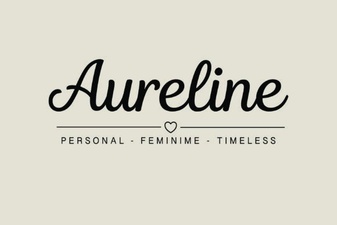 Aureline Font: Elegant Typography for Creative Design Projects
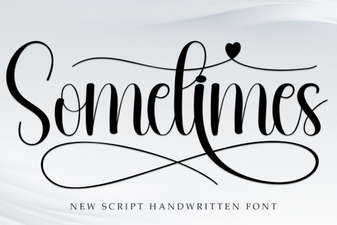 Sometimes Font – Free Script Font Download for Creative Projects
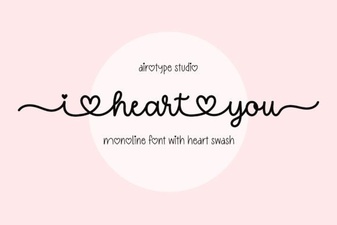 I Heart You Font: Playful Typography for Creative Projects
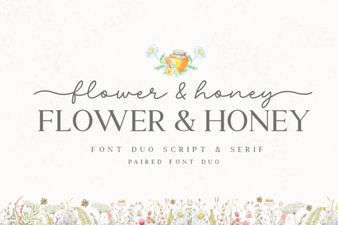 Beautiful Flower and Honey Font for Creative Design Projects
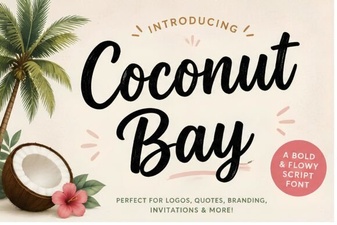 Coconut Bay Font: a Creative Choice for Summer Designs
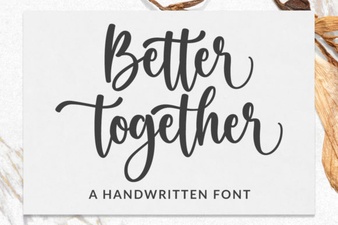 Better Together Font – Elegant Script Font for Wedding & Event Designs