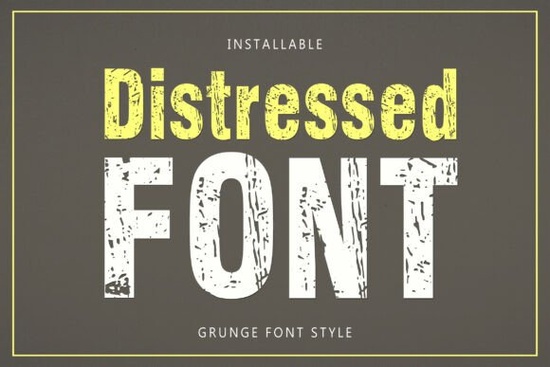
A distressed font can completely change the mood of a design. If you're working on a vintage poster, a grunge-style t-shirt, or a rugged brand identity, Distressed Font gives you that worn, textured look without hours of manual editing. Each letter has rough edges and subtle imperfections that feel authentic like real wear and tear, not a filter applied on top.
This typeface works well for anyone who designs for print-on-demand, creates social media graphics, or builds branding for small businesses. Let's break down what makes it useful and how you can put it to work.
What Does a Distressed Font Look Like?
Distressed fonts mimic the appearance of aged or weathered type. The edges are irregular, the fills aren't perfectly solid, and there's visible texture throughout each character. This style traces back to vintage letterpress printing, where ink coverage was uneven and type blocks wore down over time.
The Distressed Font captures that look digitally. It's bold enough to read clearly at large sizes, but the rough texture keeps it from feeling too clean or modern. You get character without sacrificing readability.
Who Should Use This Font?
This typeface is a strong fit for:
- Print-on-demand sellers Great for t-shirts, hoodies, mugs, and tote bags with vintage or outdoorsy themes.
- Small business owners Works for logos, packaging, and signage that need a handcrafted, rugged feel.
- Poster and flyer designers Adds visual weight and texture to event posters, band flyers, and promotional materials.
- Crafters and hobbyists Use it for scrapbooking, stickers, greeting cards, and DIY projects.
- Social media creators Bold distressed type grabs attention in feed posts and story graphics.
If your project calls for a worn, retro, or military-inspired vibe, this font fits naturally into the design.
What Projects Work Best With a Worn, Vintage Style?
Distressed type pairs well with specific design contexts. Here are some ideas:
- Retro branding Think old-school barbershops, craft breweries, or outdoor adventure brands. The texture adds authenticity.
- Grunge aesthetics Combine it with dark backgrounds, rough textures, and muted color palettes for that raw, underground look.
- Army and tactical themes The rough edges and bold weight work well for military-style designs, survival gear branding, and patriotic projects.
- Apparel design Distressed text on t-shirts and hats has been a popular style for years, and it still sells well on platforms like Etsy and Redbubble.
- Album covers and music graphics Rock, punk, and country genres especially benefit from this textured type style.
How Does It Compare to Other Display Fonts?
If you're building a font collection, it helps to have variety. Distressed Font covers the rough, bold end of the spectrum. But you might also want:
- A clean, modern display option like this bold display typeface for straightforward headlines.
- A playful, bouncy style such as a fun rounded font for kids' designs or party invitations.
- A friendly handwritten option a casual hand-lettered font works well for greeting cards and personal branding.
- An elegant script like a flowing cursive typeface for wedding invitations and feminine designs.
- A nostalgic schoolhouse style a vintage classroom font fits educational and back-to-school projects.
Having a mix of styles means you're ready for different client requests and project types.
Tips for Using Distressed Type in Your Designs
- Keep it large. Texture details get lost at small sizes. Use distressed fonts for headings and titles, not body text.
- Pair it with clean fonts. A simple sans-serif or serif for supporting text balances the roughness of the display font.
- Watch your colors. Distressed fonts look best with muted, earthy tones or high-contrast combinations. Neon colors can clash with the vintage feel.
- Test on mockups. Before listing a product, preview your text on a mockup to make sure the texture reads well at the final size.
- Check licensing. Always confirm that the font license covers your intended use, especially for commercial print-on-demand products.
Quick Checklist Before You Start Designing
- Download the Distressed Font and install it on your system.
- Decide on your project t-shirt, poster, logo, social media post, etc.
- Choose a color palette that matches the vintage or grunge mood.
- Pick a clean secondary font for body copy or subtitles.
- Create a mockup and review the design at full size.
- Confirm the font license covers your specific commercial use.
With the right context and pairing, a distressed typeface becomes one of the most versatile tools in your font library. Start with a single project, experiment with different backgrounds and layouts, and you'll quickly see where this style works best for your work.
Try It Free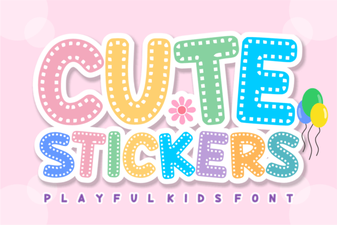 Adorable Font Ideas for Craft Projects
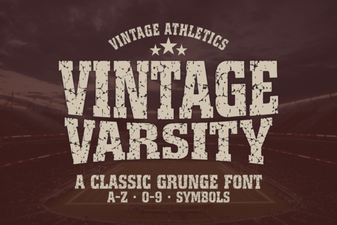 Vintage Varsity Font: Classic Display Typeface for Bold Designs
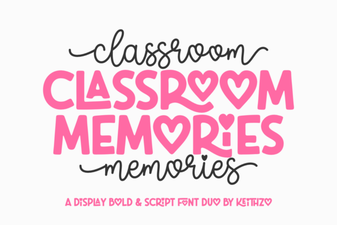 Classroom Memories Font – Fun Chalkboard Style Display Typeface
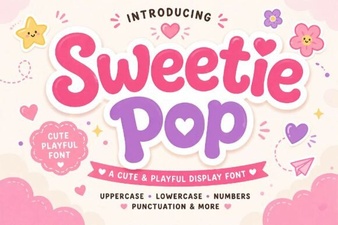 Sweetie Pop Font: Playful Designs for Creative Projects
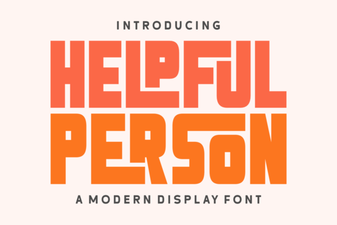 Helpful Person Font | Bold Display Typeface for Creative Projects
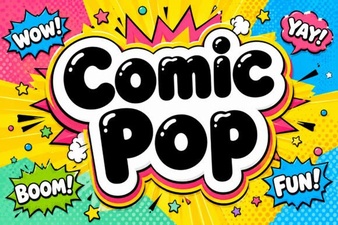 Pop Your Designs with Comic Pop Font